Skip to content
  • Latest
2025 Success Stories
  • Call Today: 310.444.9060
  • Probate Services
    ▼
    • Trust & Will Disputes
    • Fiduciary Misconduct
    • Property Disputes
    • Elder Financial Abuse
    • Trust & Estate Administration
    • Conservatorship
    • Guardianship
    • Probate Appeals
  • Who We Help
    ▼
    • Executor / Administrator
    • Trustee
    • Beneficiary
    • Spouse
    • Power of Attorney
    • Conservator
    • Guardian
    • Creditor
  • Our Firm
    ▼
    • Attorneys
    • Staff
    • Careers
    • 10th Anniversary
  • Learn
    ▼
    • Blog
    • Case Studies
    • Newsletters
    • Testimonials
    • Whitepapers
  • Request a Consultation
  • Probate Services
    • Trust & Will Disputes
    • Fiduciary Misconduct
    • Property Disputes
    • Elder Financial Abuse
    • Trust & Estate Administration
    • Conservatorship
    • Guardianship
    • Probate Appeals
  • Who We Help
    • Executor / Administrator
    • Trustee
    • Beneficiary
    • Spouse
    • Power of Attorney
    • Conservator
    • Guardian
    • Creditor
  • Our Firm
    • Attorneys
    • Staff
    • Careers
    • 10th Anniversary
  • Learn
    • Blog
    • Case Studies
    • Newsletters
    • Testimonials
    • Whitepapers
  • Request a Consultation
  • Probate Services
    • Trust & Will Disputes
    • Fiduciary Misconduct
    • Property Disputes
    • Elder Financial Abuse
    • Trust & Estate Administration
    • Conservatorship
    • Guardianship
    • Probate Appeals
  • Who We Help
    • Executor / Administrator
    • Trustee
    • Beneficiary
    • Spouse
    • Power of Attorney
    • Conservator
    • Guardian
    • Creditor
  • Our Firm
    • Attorneys
    • Staff
    • Careers
    • 10th Anniversary
  • Learn
    • Blog
    • Case Studies
    • Newsletters
    • Testimonials
    • Whitepapers
  • Request a Consultation

Home » Blog » The Surprising Reason Sting’s Net Worth Won’t Pass to His Kids

Last Updated: January 28, 2026

The Surprising Reason Sting’s Net Worth Won’t Pass to His Kids

Written by: Keystone Law Group  |  
Reviewed by: Roee Kaufman, Partner  |  
Approved by: Shawn Kerendian, Managing Partner
While most people work hard to leave something behind for their loved ones, British rock icon Sting is taking a different approach.

In a 2014 interview, the musician shockingly revealed that he doesn’t intend to pass very much of his estimated $300 million fortune to his children. Why would someone with such vast wealth make this kind of decision?

Discover Sting's reasoning — and why estate planning is crucial if you have unconventional final intentions like his — in this article by Keystone Law.

Search

For most people, the primary motivation behind creating an estate plan is to ensure their nearest and dearest are financially provided for after they pass. But British rock legend Sting (born Gordon Matthew Thomas Sumner) has a different — and somewhat surprising — philosophy.

Despite having amassed a fortune estimated to be in the hundreds of millions of dollars, the former frontman of The Police has made it clear that the bulk of his wealth will not be going to his children.

In a 2014 interview with the Daily Mail, Sting shocked the world by revealing he has no intention of establishing trust funds for his six children. Rather, he is adamant that his children forge their own paths.

“I certainly don’t want to leave them trust funds that are albatrosses round their necks,” he explained to the Mail. “They have to work. All my kids know that and they rarely ask me for anything, which I really respect and appreciate.”

Sting’s position may sound harsh to some — especially considering his reportedly close relationship with his children — but he’s far from alone in his thinking. He joins a growing list of high-profile figures, including Bill Gates, Warren Buffet, Mark Zuckerberg and Elton John, who have pledged to leave their children only a small fraction of their wealth to promote self-reliance and a strong work ethic.

“Obviously, if they were in trouble I would help them, but I’ve never really had to do that,” clarified Sting to the Mail. “They have the work ethic that makes them want to succeed on their own merit.”

Another factor behind Sting’s decision is the misconception about the liquidity of his financial resources.

“I told [my children] there won’t be much money left because we are spending it!” he said. “We have a lot of commitments. What comes in, we spend, and there isn’t much left.”

Sting revealed to the Mail that he employs more than 100 people, and that those financial obligations add up. Additionally, the rock legend’s legacy includes a noteworthy philanthropic streak — not only did he and his wife, Trudie Styler, co-found the Rainforest Fund in 1989, but he’s been involved with more than 40 charitable organizations throughout his career, according to Borgen Magazine. It’s not hard to imagine that a share of his estate may be earmarked for continuing that charitable work long after he’s gone.

While Sting’s position has earned him both criticism and admiration, it underscores a key legal truth. “If your estate planning goals stray from convention, it’s essential to clearly document them through a clear and enforceable estate plan,” says Roee Kaufman, a partner at Keystone.

TELL US WHAT HAPPENED. WE’LL BE IN TOUCH SOON.
Table of Contents
What Is Sting’s Net Worth?

Section 1

How Many Kids Does Sting Have?

Section 2

Why It’s Important That Sting Create an Estate Plan

Section 3

Important Takeaway: Nontraditional Intentions Require a Clear Estate Plan

Section 4

What Is Sting’s Net Worth?

Per Celebrity Net Worth, Sting has an estimated net worth of $550 million as of 2025. This wealth originates from an extremely successful musical career — first as the frontman of the English rock band The Police and then as a prolific solo artist — and ventures in real estate, acting and philanthropy.

The Police released five studio albums, all of which went platinum in multiple countries. Their most successful album, “Synchronicity,” which was released in 1983, went platinum eight times in the United States and was inducted into the Grammy Hall of Fame.

Sting received a significant payday in 2022 when he sold his entire songwriting catalog — both from his time with The Police and from his solo career — to Universal Music Publishing Group for $300 million.

How Many Kids Does Sting Have?

Sting is the father of six children. He had two children, Joe and Fuschia, with his first wife, Frances Tomelty. With Styler, his current wife, he has four children: Mickey, Jake, Eliot and Giacomo.

Why It’s Important That Sting Create an Estate Plan

While it’s important for anyone — regardless of wealth — to create an estate plan, it’s especially vital for someone like Sting, whose fortune is substantial and whose assets are likely complex. Although it’s safe to assume that someone of his status already has an estate plan in place, one can only imagine the logistical and legal complications associated with administering this size of an estate without clear instructions — particularly when it includes assets like music rights, royalties and name and likeness rights.

Moreover, when final wishes stray from convention — such as leaving children only a small portion of a vast estate — the odds of disputes arising increase. Unconventional terms in a trust or will can raise concern among beneficiaries, often leading to claims that the document doesn’t truly reflect the decedent’s intentions.

Suppose a wealthy decedent disinherited their children and left the entirety of their estate to a new spouse they married just months before their death. Even if the decedent’s motivation had been similar to Sting’s — wanting to cultivate an attitude of financial independence — such a decision might raise suspicions of undue influence, fraud or even lack of capacity. In such cases, a trust contest or will contest could result, potentially triggering a lengthy and costly legal battle.

This is why having a comprehensive and unambiguous estate plan — especially when your wishes are nontraditional — is crucial. It not only protects your legacy but helps to minimize disputes, preserving harmony among your loved ones after you’re gone.

“Once a person passes away, they’re no longer able to clarify their wishes, which is why it’s essential they make those wishes unmistakably clear in their estate planning documents,” says Shawn Kerendian, managing partner at Keystone Law Group. “Even minor discrepancies or ambiguities — especially in a high-value estate like Sting’s — can open the door for challenges from individuals hoping to secure a larger share.”

In the following sections, Keystone describes the most compelling reasons a person should strongly consider creating an estate plan. 

To Avoid Intestate Succession

Without a valid will or estate plan, a decedent’s assets generally will pass to their direct heirs according to the laws of intestate succession.

In the United Kingdom, where Sting is from, intestate succession laws are almost identical to those in California, with the decedent’s surviving spouse being entitled to the largest share of the estate, followed by the decedent’s children, according to GOV.UK.

Therefore, if Sting were to die without a will, his children likely would receive a substantial share of his estate, or possibly all of it if his wife were to die before him — which is the exact outcome the musician would presumably be hoping to avoid.

It’s worth mentioning that intestate succession laws typically cannot be contested in the way trusts and wills can be. 

To Clarify Intentions

Given the unconventional nature of Sting’s final intentions, it’s crucial that he clearly articulate — and possibly even reiterate — them within his estate planning documents. Ambiguities in trusts and wills can open the door to disputes.

For instance, someone who intends to disinherit their children should not merely exclude them from their trust and will but expressly state that they are being disinherited. This clarity can help prevent future claims that the omission was an oversight or the result of wrongful conduct like undue influence.

To further minimize the risk of conflict, trust and will creators may wish to communicate their intentions directly to loved ones while they are still alive. Doing so can help set expectations. 

To Give to Charity After Death

Given Sting’s well-documented charitable spirit, it’s likely he wishes to leave behind a legacy that includes philanthropy. A comprehensive estate plan would allow him to clearly identify the causes and organizations he wants to support, outline how he wishes his estate to benefit them, and specify any particular gifts he intends to leave.

By making these intentions explicit, Sting can help ensure that the charities closest to his heart continue to benefit from his generosity long after he’s gone.

This kind of planning is especially important in light of examples like the late EDM producer Avicii, who, despite his passion for philanthropy, passed away without a will — which left him with no control over how his estate was ultimately distributed.

Important Takeaway: Nontraditional Intentions Require a Clear Estate Plan

When a person’s final intentions fall outside the norm — such as disinheriting their children or leaving a significant portion of assets to charity — having a carefully crafted estate plan becomes essential.

A clear and well-organized estate plan not only helps ensure those wishes are carried out as intended but also minimizes the risk of legal disputes arising after their death.

Have probate questions?

At Keystone, we focus exclusively on probate litigation and administration — which means we’re exceptionally equipped to handle even the most complex probate disputes. If you’re dealing with a trust or estate matter, or another probate issue, our skilled probate attorneys are available to help.

While we don’t handle estate planning, we’re happy to connect you with a trusted firm that does. Contact us today to find out how we can assist.  

Contact Us Today
Share Post
PrevPreviousLessons from Avicii’s Death: Why Estate Planning Matters
Read NextTom Petty’s Death Exposes the Risks of an Ambiguous Estate PlanNext
Related Articles
Priscilla Presley
The Priscilla Presley 2024 Lawsuit Explained
Read More
Gene Hackman and Betsy Arakawa Portrait
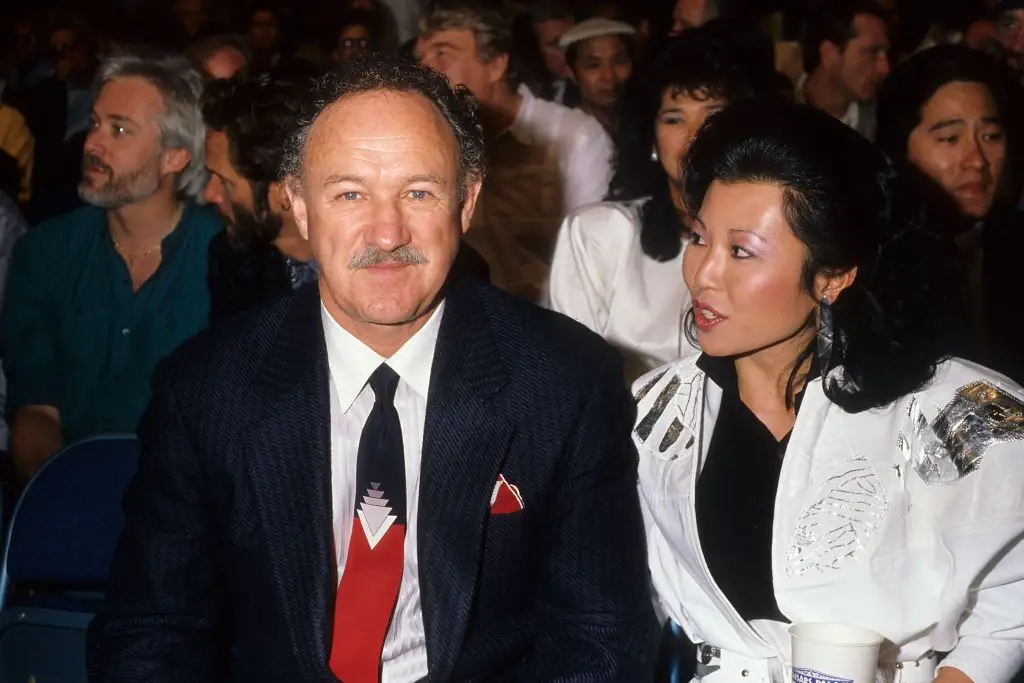
Who Will Inherit Gene Hackman’s Estate?
Read More
AdobeStock_1768212162
Lessons from Avicii’s Death: Why Estate Planning Matters
Read More
iStock-2173403784
John Amos’ Death: Probate War Fueled by Wrongful Death and Elder Abuse Claims
Read More
(3D Rendering, illustration) Magnifying glass and some paper fol
The Mystery Will of Zappos CEO Tony Hsieh Explained
Read More
image-banner-britney-spears-conservatorship
Britney Spears Conservatorship Explained by a Probate Lawyer
Read More
AdobeStock_487622666
The Legal Fight Between Kellie Pickler and Her In-Laws Explained by a Probate Lawyer
Read More
wells-fargo-wendy-williams
What’s Going on With Wendy Williams and Wells Fargo?
Read More
AdobeStock_608926535
Why Is Richard Simmons’ Family Fighting His Housekeeper Over His Estate?
Read More
Subscribe to The Keystone Quarterly  

Stay up to date with the latest news in the exciting world of probate law through our quarterly newsletter, The Keystone Quarterly. 

Each issue provides insight into the latest probate developments, delves into some of Keystone’s more interesting cases, and gives important updates about our firm. The Keystone Quarterly is a must-read for attorneys and clients alike.

Linkedin Instagram Facebook
Contact
  • 11300 West Olympic Blvd.
    Suite 910
    Los Angeles, CA 90064
  • 310.444.9060
Contact Us
Linkedin Instagram Facebook Youtube Yelp
Company
  • Our Firm
  • Attorneys
  • Staff
  • Careers
  • 10th Anniversary
Probate Services
  • Trust & Will Disputes
  • Fiduciary Misconduct
  • Property Disputes
  • Elder Financial Abuse
  • Trust & Estate Administration
  • Conservatorship
  • Guardianship
  • Probate Appeals
Who We Help
  • Executor / Administrator
  • Trustee
  • Beneficiary
  • Spouse
  • Power of Attorney
  • Conservator
  • Guardian
  • Creditor
Learn
  • Blog
  • Case Studies
  • Newsletters
  • Testimonials
  • Whitepapers
  • Terms of Use
  • Privacy Policy
  • Cookie Policy
  • Sitemap
  • Terms of Use
  • Privacy Policy
  • Cookie Policy
  • Sitemap

©2026 Keystone Law Group, P.C. All rights reserved.

This website is for general information purposes only and is not intended to constitute legal advice. Connection to this website, and communication to this law firm via email or other electronic transmission do not constitute an attorney-client relationship with Keystone Law Group, P.C. unless a separate written agreement is signed by you and Keystone Law Group, P.C. as to the nature of any relationship and the amount to be charged for the intended legal services.

Manage Cookie Consent
We use technologies like cookies to store and/or access device information. We do this to improve browsing experience and to show personalized ads. Consenting to these technologies will allow us to process data such as browsing behavior or unique IDs on this site. Not consenting or withdrawing consent, may adversely affect certain features and functions.
Functional Always active
The technical storage or access is strictly necessary for the legitimate purpose of enabling the use of a specific service explicitly requested by the subscriber or user, or for the sole purpose of carrying out the transmission of a communication over an electronic communications network.
Preferences
The technical storage or access is necessary for the legitimate purpose of storing preferences that are not requested by the subscriber or user.
Statistics
The technical storage or access that is used exclusively for statistical purposes. The technical storage or access that is used exclusively for anonymous statistical purposes. Without a subpoena, voluntary compliance on the part of your Internet Service Provider, or additional records from a third party, information stored or retrieved for this purpose alone cannot usually be used to identify you.
Marketing
The technical storage or access is required to create user profiles to send advertising, or to track the user on a website or across several websites for similar marketing purposes.
  • Manage options
  • Manage services
  • Manage {vendor_count} vendors
  • Read more about these purposes
View preferences
  • {title}
  • {title}
  • {title}