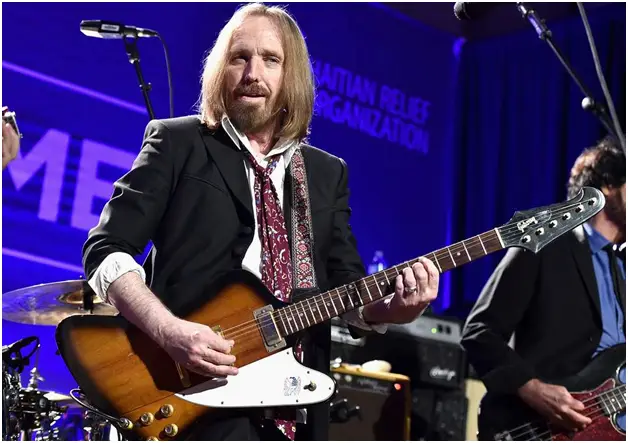
The estate battle that followed rocker Tom Petty’s death serves as a powerful reminder of why even the most well-intentioned estate plans must be clear and thorough.
Although Petty took an important step by creating a trust, it left too much open to interpretation. Critical ambiguities in the language of the document created confusion around who wielded decision-making power, especially over complex assets like his extensive music catalog.
The situation was further complicated by Petty’s blended family, which included his widow and two daughters from a previous marriage. With valuable intellectual property at stake, and no clear agreement on how the estate should be managed, conflict became inevitable.
While the specific terms of Petty’s trust remain confidential — as most trust terms are — the legal battle that began in May 2019 between the classic rocker’s widow and daughters from a prior marriage offered a glimpse into the tensions brewing underneath the surface. The trust dispute concluded in December of that year, but not before highlighting important lessons around vague estate planning and its potential to lead to costly and contentious litigation.
“We see Tom Petty’s death not as a celebrity headline but as a cautionary tale,” says Roee Kaufman, a partner at Keystone Law. “Litigation can significantly deplete an estate’s assets long before distributions are made. Whether you’re wealthy or not, this risk is important to consider.”
Although Tom Petty’s net worth may have been high enough to absorb the high costs of litigation, many estates aren’t so fortunate. When there is a dispute, it’s often the estate — and the beneficiaries or heirs — who ultimately pay the price.
How Old Was Tom Petty When He Died?
Tom Petty was 66 years old at the time of his death. He was born on October 20, 1950.
What Year Did Tom Petty Die?
According to CNN, Tom Petty died on October 2, 2017, at the UCLA Medical Center in Santa Monica, California. The Los Angeles Times reported that he died just a week after he and his band, the Heartbreakers, had completed an ambitious six-month 40th-anniversary world tour.
What Did Tom Petty Die Of?
Tom Petty died from multisystem organ failure caused by an accidental drug overdose, the medical examiner found. The autopsy revealed the presence of several medications, including fentanyl, oxycodone, acetyl fentanyl and despropionyl fentanyl — all of which are opioids; temazepam and alprazolam — which are sedatives; and citalopram — an antidepressant, per CNN.
It was reported that the singer-songwriter was taking this fatal combination of medications for a fractured hip, which had left him in extreme pain.
What Was Tom Petty’s Net Worth at Death?
According to Celebrity Net Worth, Tom Petty’s net worth at death was an estimated $95 million. He made his fortune as a highly successful musician, songwriter and performer — both as a solo artist and with his band, Tom Petty and the Heartbreakers, which was formed in 1976.
The band produced one smash hit after another throughout their extensive musical career. Some of their most well-known tracks include “Mary Jane’s Last Dance,” “Free Fallin'” and “I Won’t Back Down.”
The rocker had also been a member of the Traveling Wilburys, a British-American rock ‘n’ roll supergroup that also included the likes of Bob Dylan, George Harrison, Jeff Lynne, Roy Orbison and Jim Keitner.
How Much Is Tom Petty’s Estate Worth?
Because Tom Petty’s estate is subject to the terms of his trust — and trusts generally are private documents — it’s unclear what the exact value of his estate is. However, what is for certain is that it has continued to grow in value since his death as a result of posthumous releases, such as an expanded edition of “Wildflowers & All the Rest” and the enduring popularity of his music.
Petty’s estate remains open and active, according to the Los Angeles Times. Its operations are being overseen by a new management team at Red Light Management, who has been opening its archives to share previously unreleased music and video footage from Petty’s long-spanning career.
Per Variety, the estate signed a worldwide administration deal with Warner Chappell Music in July 2024 to further expand the reach of Petty’s music catalog.
Who Is Tom Petty Survived By?
Tom Petty left behind a blended family, including his widow and children from a previous marriage, states Celebrity Net Worth.
Who Was Tom Petty Married To?
At the time of his death, Tom Petty was married to Dana York. Prior to this, he was married to Jane Benyo from 1974 to 1996.
York is alive and has been involved in managing aspects of her husband’s estate.
Did Tom Petty Have Kids?
Tom Petty had two daughters, Adria and Annakim Petty, with Benyo, his first wife.
Both daughters are alive and have been involved in managing aspects of their father’s estate.
Who Inherited Tom Petty’s Estate?
Tom Petty’s estate was primarily inherited by York, his widow, and his two daughters, Adria and Annakim.
The inheritance is being managed through a trust that the musician established to leave assets to his loved ones and manage his legacy, per the Los Angeles Times.
Why Was There a Battle Over Tom Petty’s Estate?
The battle over Tom Petty’s trust estate arose in May 2019 due to differences of opinion over control of the rock icon’s legacy — particularly around the use of his name, image and music catalog, The Los Angeles Times reported.
The estate battle was initiated by Petty’s daughters who were claiming York, their father’s widow, was mismanaging his estate and depriving them of their right to decide how Petty’s music should be released. They were seeking damages to the tune of $5 million. In response, the widow countersued.
Although Petty had named York to serve as the trustee of his trust, he had stipulated in the terms of the document that his daughters should be given “equal participation” in decisions surrounding how his music catalog is to be used. While his daughters interpreted this term to mean they had two votes out of three (which would give the daughters majority control), York interpreted this term to mean she had one vote and the daughters had one vote (which would effectively give each daughter a half-vote).
Essentially, Petty’s daughters were alleging their father wanted all three parties equally involved in decision-making around his estate, whereas his surviving spouse was alleging that Petty naming her the sole executor was evidence of his intent for her to act as the primary decision maker.
The attorney for Petty’s daughters, Alex Weingarten, issued a statement to Rolling Stone about York’s unwillingness to adhere to her late husband’s wishes surrounding his children.
“Tom Petty wanted his music and his legacy to be controlled equally by his daughters, Adria and Annakim, and his wife, Dana,” wrote Weingarten. “Dana has refused Tom’s express wishes and insisted instead upon misappropriating Tom’s life’s work for her own selfish interests.”
Has the Tom Petty Estate Lawsuit Been Resolved?
The legal dispute over Tom Petty’s estate reached a resolution in December 2019, according to the Los Angeles Times. As part of the settlement, Petty’s widow and two daughters agreed to share equal authority in overseeing future releases and projects that honor the late rock legend’s legacy.
In a joint statement released at the time, the three family members announced that all litigation related to Petty’s estate had been dismissed and that they had reconciled their differences. The statement expressed regret for the pain caused by the dispute, which the parties attributed to the intense grief they experienced in the wake of Petty’s tragic passing.
The parties established Tom Petty Legacy LLC — a new entity tasked with handling “all aspects of Tom’s legacy.” According to the joint statement, the family is united in their mission to honor Petty’s voice, music, integrity and charitable spirit. “Each member of the family will have equal standing in Tom Petty Legacy, LLC and will work together on all future endeavors,” the statement read.
In tandem with the formation of the LLC, a new management team from Red Light Management, a prominent Los Angeles-based firm, was brought on to help advise and implement decisions on behalf of the estate. Still, ultimate decision-making authority remains with Petty’s widow and daughters, as the rock artist intended.
Important Takeaways From the Tom Petty Estate
Although the dispute over Tom Petty’s estate ultimately concluded amicably and without drawn-out litigation, the entire ordeal could have been avoided with a bit more foresight. Had Petty taken the time to clarify the ambiguous language in his trust — and perhaps communicated his intentions directly to his loved ones — the dispute might never have occurred.
Still, there’s much to be learned from the Tom Petty estate case. It highlights just how crucial it is to create a comprehensive, unambiguous estate plan — especially for anyone with a blended family or sizable, complex estate. It also demonstrates how taking proper and swift legal action when there are problems with a trust or will can increase the odds of a favorable outcome.
In the sections that follow, we’ll continue to explore the most important takeaways from this high-profile estate dispute.
Clear Estate Planning is Crucial — Particularly for High-Value Estates
“Careful estate planning is critical,” advises Shawn Kerendian, managing partner at Keystone. “It’s not enough to merely create a trust or will. The language must be unambiguous and roles must be clearly defined. In essence, all potential areas where conflict could arise should be proactively addressed.”
To ensure all bases are covered in your estate plan, it’s essential to work with an experienced estate planning attorney.
Blended Families Present Unique Probate Challenges
In blended families, it’s common for parties to have conflicting interests — which can complicate trust and estate administration. It’s important to preemptively address these potential conflicts through meticulous estate planning and open communication to ensure the decedent’s intentions are understood.
Ambiguities in an Estate Plan Must Be Addressed Through the Proper Legal Means
Any ambiguities in estate planning documents should be interpreted through proper legal protocols, such as by filing a petition for instructions with the court. This approach ensures fiduciaries can fulfill their duties without the risk of personal liability. Additionally, it ensures the decedent’s true intentions are upheld.
Have questions about ambiguities in an estate plan?
At Keystone, we focus exclusively on probate litigation and administration — which means we’re exceptionally equipped to handle even the most complex trust and estate disputes. If you’re dealing with ambiguous language in a will or trust, or navigating any other probate issue, our skilled probate attorneys are available to help.
While we don’t handle estate planning, we’re happy to connect you with a trusted firm that does. But if you find yourself in the midst of a dispute like the one surrounding Tom Petty’s estate, don’t wait. Contact us today to learn how we can assist.