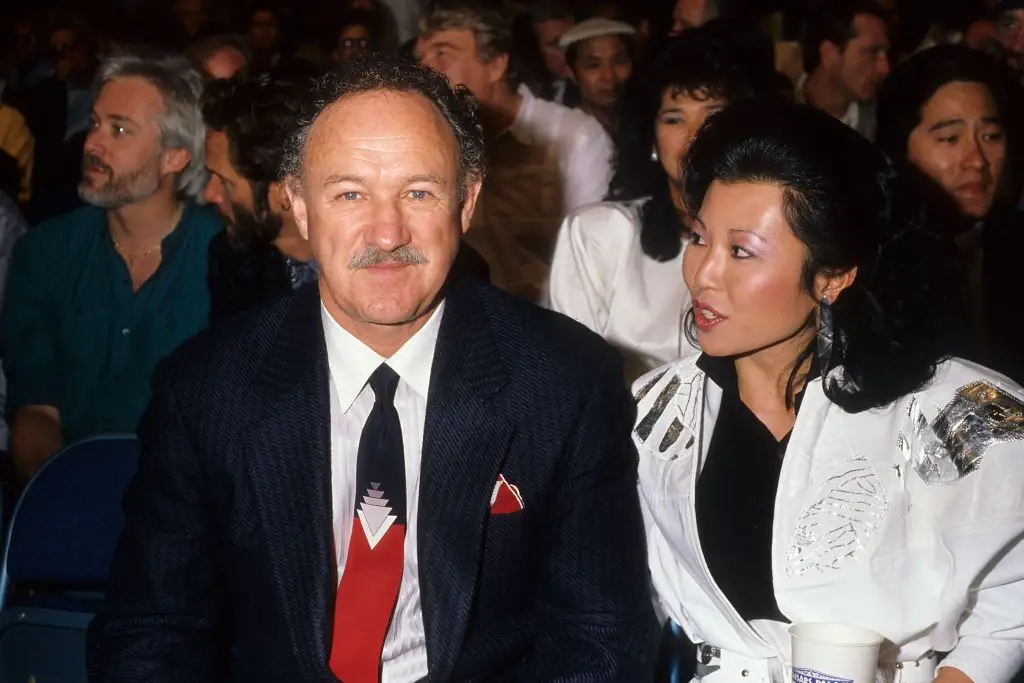



The battle over D’Wayne Wiggins’ estate highlights several common probate disputes that can arise after death. In this article, Keystone Law explains why these conflicts occur and how they can be resolved.
Unexpected or unusual estate arrangements often give rise to probate disputes after a person’s death. When close family members are disinherited, major estate planning decisions are made late in life, or suspicious financial activity comes to light, surviving relatives may begin to question whether those decisions truly reflect the decedent’s wishes.
In situations like these, families often turn to the probate courts to seek guidance and resolve conflicts. This appears to be the case in the estate of Tony! Toni! Toné! cofounder D’Wayne Wiggins.
Nearly a year after Wiggins’ death, a dispute has emerged among members of the musician’s family over the validity of his final estate planning decisions and who should control his estate, which is estimated to be worth approximately $700,000.
At the center of the conflict are Wiggins’ three children — Ilhan, Dylan and Jaden — who are challenging the authority of Wiggins’ niece, Veleta Savannah. Savannah claims that Wiggins placed her in charge of his estate and financial affairs, while his children question whether she has legal authority.
Wiggins reportedly executed a will shortly before his death that excludes his three children. The children, however, have expressed doubt that the document reflects their father’s true intentions. Savannah reportedly maintains that Wiggins deliberately chose to disinherit his children and did so while of sound mind.
Wiggins’ children have filed a petition asking the court to appoint Ilhan as administrator of the estate based on the contention their father died without a valid will. Savannah filed a competing probate petition, attaching a pour-over will dated February 25, 2025. The will directs all of the late musician’s assets into the D’Wayne P. Wiggins Living Trust, also dated February 25, 2025. As of this writing, the trust’s beneficiaries have not been publicly disclosed.
The timing of the alleged changes to Wiggins’ will has contributed to the dispute. Reports indicate that modifications to Wiggins’ estate plan may have occurred while he was receiving end-of-life care and taking medications that could have affected his mental capacity. In probate disputes, late-stage changes to estate planning documents are often closely scrutinized when there is doubt about a person’s ability to understand those decisions.
Questions surrounding financial activity before Wiggins’ death have further fueled the conflict. Savannah has reportedly stated that she held financial power of attorney for Wiggins before he died. His children are questioning the validity of that authority and have raised concerns about a roughly $20,000 withdrawal from Wiggins’ bank account that was allegedly made under it.
Adding another layer of uncertainty to the situation is the fact that Wiggins reportedly married Dori Wiggins just months before his death. It remains unclear whether she is included in Wiggins’ estate plan or whether she has asserted any legal claims to the estate. Under California law, surviving spouses may have certain inheritance rights, including potential community property interests, though those rights can sometimes be modified through prenuptial or postnuptial agreements.
Taken together, the circumstances surrounding Wiggins’ estate — including the alleged disinheritance of his children, questions about late-stage estate planning changes, concerns about financial activity under a power of attorney and the presence of a recent spouse — illustrate several issues that frequently arise in probate litigation. This case highlights why estate conflicts occur and what lessons families can learn when navigating the probate process after the death of a loved one.
Section 1
Section 2
Section 3
Section 4
Section 5
Who Is D’Wayne Wiggins?
D’Wayne Wiggins was an American guitarist, vocalist, songwriter and producer best known as a founding member of the Oakland-based R&B group Tony! Toni! Toné!.
Wiggins helped form the trio with his brother Raphael Saadiq and cousin Timothy Christian Riley. Together, the group rose to prominence as one of the defining R&B acts of the late 1980s and early 1990s.
In addition to his work with the band, Wiggins built a successful career as a songwriter and producer, collaborating with artists such as D’Angelo and En Vogue. His work helped shape the Bay Area music scene, and he remains a recognizable figure in the history of modern R&B.
What Is Currently Happening with D’Wayne Wiggins’ Estate?
Currently, only a probate estate has been opened in connection with D’Wayne Wiggins’ estate. The dispute largely centers on who has the legal authority to control it. Wiggins’ niece claims she was granted that authority, while his children are challenging whether the will that allegedly confers that power is valid. They have filed a competing petition seeking Ilhan’s appointment as administrator, based on their belief that their father died without a valid will.
The table below outlines the key legal issues involved, and potential outcomes, in the dispute over Wiggins’ estate.
Conflict | What We Know | Questions That Remain | Potential Outcomes |
Dispute Over Validity of Will | Wiggins reportedly executed changes to a will while receiving end-of-life care and taking medications that may have affected his mental capacity. The will disinherits his three children, who contend that the document does not reflect their father’s true wishes. | Did Wiggins possess the mental capacity required to execute a valid will? Did he intentionally disinherit his children, or could undue influence have played a role? | If lack of capacity or undue influence is successfully shown to have played a role in the creation or modification of Wiggins’ will, the document could be invalidated. In that case, his assets may pass according to a prior version of the will or under state intestate succession laws. |
Dispute Over Control of Estate Administration | Wiggins’ niece reportedly claims that she was placed in charge of the musician’s estate and financial affairs. His children, however, are challenging whether she has the legal authority to serve in that role. | Does Wiggins’ will nominate the niece as executor? Did Wiggins have the mental capacity to sign the will and did he do so free of undue influence? | If Wiggins’ niece was nominated as executor in his will and that document is ultimately invalidated, the nomination could also be void. In that case, control of the estate could pass to another qualified individual, potentially one of Wiggins’ children. |
Power of Attorney Abuse Allegations | A roughly $20,000 withdrawal was reportedly made from Wiggins’ bank account using a power of attorney. Wiggins’ niece has reportedly stated that she held financial POA for the musician prior to his death. | Was the power of attorney valid to begin with, or could it have been obtained through misconduct? What was the purpose of the $20,000 withdrawal? Was the transaction authorized under the terms of the power of attorney? | If the power of attorney is ultimately found to be invalid, actions taken under it may be subject to reversal, and the attorney-in-fact could face personal liability. Similarly, if the $20,000 withdrawal is deemed to have been unauthorized, the niece could be liable to reimburse those funds, and potentially additional damages, for the benefit of Wiggins’ estate. |
Questions About the Role of D’Wayne Wiggins’ New Wife
| Wiggins reportedly married a new spouse just months before his death. Under California law, spouses generally acquire community property rights during marriage and certain rights after death. However, certain written documents, such as prenuptial or postnuptial agreements and wills, can sometimes modify or waive those rights. | Is there a prenuptial or postnuptial agreement? Is Wiggins’ new wife named in his will? Has she asserted any claim to the estate? Does she intend to enforce any community property rights she may have under California law? | Even if Wiggins’ surviving spouse is not named in his estate plan, she may have a claim to a portion of the estate under California community property laws. At this stage, however, it remains unclear whether she intends to assert those rights. If she is named as a beneficiary in the will, or successfully asserts community property rights, the amount ultimately distributed to other beneficiaries or heirs could be reduced. |
Key Probate Lessons from the Battle Over D’Wayne Wiggins’ Estate
Although the dispute surrounding D’Wayne Wiggins’ estate has drawn attention because of the musician’s celebrity status, the legal issues at its core are far from unusual. Probate courts frequently see conflicts arise when estate plans change late in life, close family members are unexpectedly disinherited, or questions emerge about financial decisions made before death.
Cases like this highlight several recurring probate concerns. Understanding these issues can help families recognize potential red flags, take action quickly when disputes arise, and design estate plans that reduce the risk of litigation.
Last-Minute Changes to an Estate Plan Are Often Closely Scrutinized
Courts tend to examine last-minute changes to estate plans far more carefully than documents that have been in place for years. Wills or trusts executed or altered shortly before death may raise concerns about whether the person had the mental capacity required to make those decisions or whether someone may have exerted undue influence over them.
“This scrutiny becomes even more intense when the decedent was seriously ill, heavily medicated, or otherwise vulnerable when the document was signed,” states Shawn Kerendian, Managing Partner at Keystone Law Group. “Sudden changes that significantly depart from a longstanding estate plan, particularly those that alter who inherits major assets, often trigger legal challenges.”
If Wiggins’ children are correct that their father lacked the mental capacity to make changes to his will at the time it was executed, the document could ultimately be invalidated. However, courts generally require strong evidence to support that claim.
Medical records, testimony from physicians, and other documentation can sometimes help establish whether a person had the ability to understand the decisions they were making.
Disinheriting Close Family Members Often Leads to Probate Disputes
California law generally allows individuals broad freedom to decide how their assets should be distributed after death. That includes the right to disinherit family members. However, when close relatives, especially children, are unexpectedly excluded from an estate plan, it often raises questions that lead to litigation.
“Disinheritance may not appear suspicious when family members are estranged or have long-standing conflicts with the decedent,” Kerendian explains. “But when a parent suddenly disinherits children with whom they appear to have maintained a positive relationship, courts may examine whether outside pressure, confusion, or other factors influenced the decision.”
In the Wiggins dispute, both sides present sharply different narratives. Wiggins’ daughter has publicly stated that she and her siblings had a loving relationship with their father and that they do not believe he intended to exclude them from his estate. Wiggins’ niece, on the other hand, reportedly maintains that the decision to disinherit the children was deliberate and made while the musician still had mental capacity.
Wiggins’ children and niece have filed competing probate petitions, with his children proceeding as if no valid will exists and his niece submitting a pour-over will transferring all assets to his trust. Although the trust’s terms remain undisclosed, the children’s exclusion from the will suggests they are likely excluded from the trust as well.
In these types of cases, the outcome often depends on the evidence. If the children can show a history of a close relationship with their father and demonstrate that the changes to the estate plan were inconsistent with his prior intentions, the disinheritance may be challenged successfully. However, if evidence shows the relationship had deteriorated or that the decision was consistent with his wishes, the will is more likely to stand.
Power of Attorney Misuse Can Become an Issue After Death
Although a power of attorney automatically terminates when the principal dies, disputes over how that authority was used frequently arise during probate. In many cases, potential misuse of a power of attorney is not discovered until after death, when the executor or administrator begins gathering financial records and notices that funds are missing.
A financial power of attorney can grant an agent broad authority over another person’s finances, particularly if the principal becomes incapacitated. While most agents act responsibly, the access granted under a POA can create opportunities for misconduct, including unauthorized transfers or self-dealing.
“Litigating potential POA abuse after death can be complicated,” Kerendian warns. “Transactions may have occurred months or even years earlier, and financial records must often be reconstructed to determine what happened to the assets.”
In Wiggins’ case, reports indicate that approximately $20,000 was withdrawn from his bank account under a power of attorney. Whether that transaction was authorized remains unclear.
“It’s difficult to evaluate allegations of power of attorney misconduct without reviewing the actual document and the surrounding financial records,” Kerendian says. “Some POAs contain provisions that allow certain gifts or transfers, while others strictly prohibit them. Determining whether a transaction was appropriate requires examining both the terms of the document and the context in which the transaction occurred.”
If a court ultimately finds that a power of attorney was invalid or misused, the agent may be required to return improperly transferred funds and could face personal liability.
Undue Influence Claims Are Common in Contested Estates
Undue influence occurs when someone pressures or manipulates another person into making decisions that do not reflect their true wishes. Probate courts frequently see these claims in cases involving elderly or otherwise vulnerable individuals, particularly when estate plans change dramatically late in life.
Common warning signs may include sudden revisions to a will, the disinheritance of close family members, or large gifts to individuals who were not previously included in the estate plan. While these circumstances do not automatically prove wrongdoing, they can prompt closer examination by the court.
There are several factors in the dispute over Wiggins’ estate that could lead to undue influence allegations, including late-stage changes to estate planning documents and the unexpected exclusion of immediate family members. However, whether undue influence actually occurred can only be determined after examining the evidence.
“Undue influence is often difficult to detect because it typically occurs in private,” Kerendian notes. “That’s why courts look closely at the surrounding circumstances when major changes are made to an estate plan. Unusual or unexpected revisions may warrant closer scrutiny to ensure that the decedent’s true wishes were honored.”
Music Royalty Rights Can Complicate Estate Administration
When a musician dies, their estate may include not only traditional assets, but also intellectual property rights and royalty income tied to their creative work. These assets can continue generating revenue for years or even decades after the artist’s death.
Managing those rights during probate can be complicated. Royalty streams may come from multiple sources, including song publishing, performance royalties, licensing agreements, and recording rights. Determining who controls these assets — and how future income will be distributed — often requires specialized legal and financial expertise.
In celebrity estates, these ongoing revenue streams can also become a source of conflict among heirs, particularly when questions arise about who should control the intellectual property or how royalties should be divided.
As the dispute over Wiggins’ estate continues to unfold, the handling of any royalty income tied to Tony! Toni! Toné!’s catalog may become another factor influencing how the estate is ultimately administered.
Final Takeaway: What Is the Likely Outcome of the D’Wayne Wiggins Estate Battle?
At this stage, predicting the outcome of the dispute over D’Wayne Wiggins’ estate is difficult. Only limited details about the case have been made public, and the probate court has not yet evaluated the evidence surrounding the competing claims. As additional filings emerge and court hearings take place, a clearer picture of the case is likely to develop.
Ultimately, the outcome will depend largely on the strength of the evidence presented by each side. Wiggins’ children appear to be challenging the validity of the will and questioning whether their cousin, Veleta Savannah, has legitimate authority to oversee the estate. Savannah, by contrast, maintains that Wiggins deliberately chose to disinherit his children and entrusted her with responsibility for his financial affairs.
If the court determines that the will was created or modified under circumstances involving lack of mental capacity, undue influence, or other misconduct, the document could be invalidated. In that event, the estate might instead be distributed according to a prior will or under California intestate succession laws. Any authority allegedly granted to Savannah under the disputed document could also be revoked.
On the other hand, if the court finds that the will was validly executed and reflects Wiggins’ true intentions, it is likely to stand. In that scenario, the disinheritance of Wiggins’ children would remain in place, and Savannah’s claimed authority to administer the estate may be upheld. The children also would be unlikely to inherit from the trust, as it is at least partially funded by assets passing through the pour-over will from which they are excluded.
For now, the dispute highlights how quickly estate conflicts can arise when questions surface about late-life estate planning decisions, financial authority under a power of attorney and unexpected changes in inheritance. As the case proceeds, the probate court will ultimately determine which claims are supported by the strongest evidence and how Wiggins’ estate should be administered.
D’Wayne Wiggins FAQs
Want to learn more about D’Wayne Wiggins’ family or the circumstances surrounding his death? Explore the frequently asked questions below for additional details.
When Did D’Wayne Wiggins Pass Away?
D’Wayne Wiggins, cofounder of the R&B trio Tony! Toni! Toné!, died on March 7, 2025, in Oakland, California.
His passing prompted tributes from fans and fellow musicians who recognized his lasting influence on the R&B genre and the Bay Area music community.
How Old Was D’Wayne Wiggins When He Died?
D’Wayne Wiggins was 64 years old at the time of his death.
What Was D’Wayne Wiggins’ Cause of Death?
D’Wayne Wiggins’ net worth at death has been estimated at approximately $700,000. The estate may also include music royalties and intellectual property interests tied to Tony! Toni! Toné!’s catalog, as well as Wiggins’ work as a songwriter and producer, though it is unclear whether those assets are fully reflected in the estimate.
Much of Wiggins’ wealth stemmed from his musical career with Tony! Toni! Toné!, which produced several platinum-selling albums. He also worked extensively behind the scenes as a producer, mentor, and talent developer through his company Grass Roots Entertainment and his Oakland-based recording studio House of Music, both of which contributed to his career earnings.
Was D’Wayne Wiggins Married?
D’Wayne Wiggins was married to Dori Wiggins at the time of his death. Reports indicate that the couple married just months before he passed away.
It remains unclear how she is addressed in Wiggins’ estate plan or whether she has asserted any claims to his assets.
Did D’Wayne Wiggins Have Children?
D’Wayne Wiggins had three children: Ilhan Wiggins, Dylan Wiggins, and Jaden Wiggins. They are currently involved in a dispute over their father’s estate and have challenged their cousin’s claimed authority to control it.
Facing probate issues?
Whether you are dealing with issues similar to those seen in the D’Wayne Wiggins estate dispute or facing a different probate or trust conflict, Keystone Law Group can help. Our probate attorneys can investigate the matter, file the appropriate court petitions, and develop a strategy tailored to achieving the best possible outcome for you. Contact us today to discuss your situation.